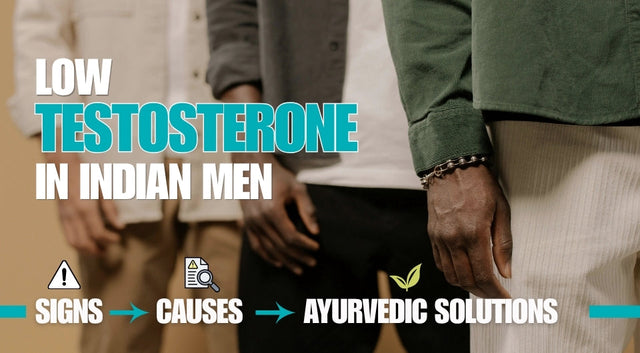
Within the past ten years, there has been a rise in the number of Indian men in their late 20s to 40s reporting symptoms such as low energy, poor stamina, decreased muscle strength and overall loss of drive and motivation. Although stress and a packed schedule are usually attributed as the culprit, sometimes the cause is overlooked, and that is the drop of testosterone.
Testosterone is more than a muscle hormone and libido booster; it influences energy metabolism, mood, bone density and vitality. According to Ayurveda, this type of decline is caused by a dysfunction in Ojas (the vital essence of the body) and depletion of Shukra Dhatu (reproductive tissue) and involves multiple herbs, diet and lifestyle correction – not simply a single remedy.
In the following article, we are going to discuss the symptoms, causes and tried and tested ayurvedic solutions that Indian men can think of for maintaining naturally healthy Testosterone levels.
How about testosterone? What is it and why is it important?
Testosterone is the main male sex hormone, which is synthesized primarily in the testicles. It affects reproductive health and also muscle mass, bone strength, fat distribution, red blood cell production and mental sharpness. The levels are naturally highest during early adulthood and start to wane as age goes up, but in recent years lifestyle related factors have led to this reduction in many Indian men to be very early on.
There are several common symptoms that men experience with low levels of Testosterone:
The signs of low testosterone are not always obvious. It may manifest as a bunch of minor, commonplace signs and symptoms which men typically think of as “just being tired” or “part of growing old”
-
Fatigue – feeling tired even after getting plenty of rest.
-
Decreased muscle strength or stamina – noticing that it is more difficult to build or maintain muscle even with their regular exercise.
-
Low sex drive and libido.
-
Changes in mood and personality – irritability, lack of motivation, or apathy.
-
An excess of body fat, especially in the abdomen.
-
Concentration problems and/or mental fog.
-
In some instances thinning hair or slow hair growth in the beard area.
If more than one of these symptoms is ongoing and interfering with your daily activities, it's worth getting a medical evaluation to determine your testosterone level, but not self-diagnose.
The Ayurvedic concept of low vitality.
In Ayurveda, low strength and stamina are not just a problem with the hormones, but a symptom of the imbalance in deeper tissues of the body, namely Shukra Dhatu and Ojas. The classical method does not treat any one symptom, but nourishes the body from within, strengthens digestion (Agni), balances the accumulated stress (Vata imbalance) and builds up the essential tissues slowly with the use of particular herbs, proper diet and lifestyle (Dinacharya).

The following herbs were traditionally used in Ayurveda to support male vitality:
For centuries several herbs have been employed as ingredients in ayurvedic medicine to enhance strength, stamina and general vitality in men:
-
Ashwagandha (Withania somnifera) is an adaptogen traditionally employed for its ability to sustain energy and stamina in the body, and help manage stress.
-
Shilajit is a mineral-rich resin extracted from the Himalayan summits, recognized in Ayurveda as a natural tonic for strength, energy and overall vitality for centuries. The purified form of Shilajit is one of the strongest Rasayanas available for vitality.
-
Safed Musli, which is traditionally used for its stamina and physical strength.
-
Gokshura (Tribulus terrestris) – a plant that is used as an ingredient in formulas for reproduction and urinary function.
-
Kaunch Beej (Mucuna pruriens) – traditionally used to boost mood and vitality.
Classical Ayurveda states that combined action of several ingredients is more beneficial for the body than single; hence many modern ayurvedic blends use more than one of these ingredients. Well-formulated combinations of these traditional herbs, along with purified Shilajit based preparations, are often part of a daily wellness routine for those seeking to enhance strength, stamina, and energy with Ayurvedic ingredients.
Lifestyle and Diet Changes That Support Healthy Testosterone
-
Get plenty of sleep – aim for 7-8 hours which is when most Testosterone is generated.
-
Strength training and regular movement – resistance exercise is one of the most well-supported natural ways to support healthy hormone levels.
-
Decrease processed sugar and refined carbs, and increase whole grains, seasonal vegetables, nuts, and healthy fats; ghee is good, but should be used sparingly.
-
Take action against stress - take up pranayama, meditation or even a walk during the day can help balance cortisol.
-
Embrace moderation on alcohol and tobacco – these are known to have a negative effect on hormone production.
-
Keep excess fat tissue to a minimum – excess fat tissue goes hand-in-hand with lower active testosterone.
-
Have enough sunlight – Vitamin D is helpful as a hormone support.

When to See a Doctor?
Although using herbs from the Ayurvedic system and making a few lifestyle changes can help maintain good health, it is important not to treat symptoms indefinitely without seeking medical advice. When after several weeks of lifestyle correction, fatigue, low libido, mood changes, or reduced stamina persists, consulting a doctor for a proper hormonal assessment is warranted - and preferably an Ayurvedic doctor for a constitutionally based (Prakriti) recommendation.
Conclusion
Increasingly, Indian men are suffering from low testosterone due to modern lifestyle habits, such as chronic stress, poor sleeping habits, sedentary behavior and processed diets. The positive is that there are a number of these factors that you can control. Ayurveda provides a natural and time-tested approach that combines herbs such as Ashwagandha, Shilajit and Safed Musli and a strict routine of sleep habits, food and stress management to aid the body's own vitality and not just to treat the symptoms.
Like with anything else, persistence is key to health. These are small changes which have to be made in the routine and are expected to have a more lasting effect when undertaken in conjunction with the trusted Ayurvedic care.
Frequently Asked Questions (FAQs)
Q1: When does Testosterone begin to decrease in men?
A: Testosterone levels can be expected to be at their highest in the late teens to twenties and will then start to slowly drop after age 30. In many men today, this decline can be accelerated, however, much earlier in life due to lifestyle.
Q2: Can Ayurvedic herbs really help with low testosterone?
A: Ashwagandha and Shilajit are herbs traditionally recognized for their stamina, strength, and vitality properties, which have been and are used widely in a natural wellness routine. They are most useful when used in conjunction with other therapies, such as good sleep, diet and exercise.
Q3: Does low testosterone equal erectile dysfunction?
A: No, they are related but separate from each other. While low T may be linked to decreased libido and energy, erectile dysfunction may be caused by a variety of physical and psychological reasons and should be investigated on its own.
Q4: What is the time frame for natural methods?
A: This is dependent on the individual, but most people with consistent lifestyle changes and herbal support, can see a gradual improvement in energy and stamina within a few weeks to a few months.
Q5: Is low T reversed by diet?
A: Apart from the above, diet is also important, but effective outcomes typically result from a mix of proper nutrition, exercise, quality sleep, stress management, and, if necessary, focused herbal support.