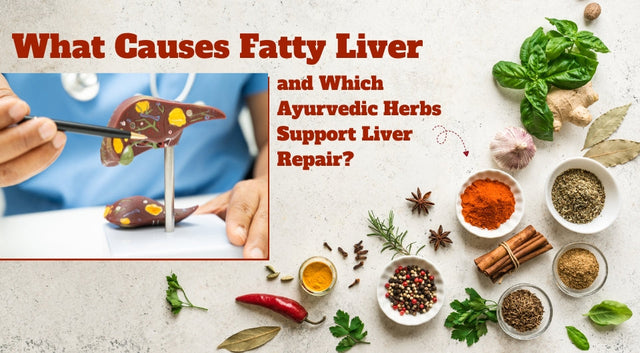
The liver performs more than 500 different duties, such as filtering toxins from the blood, making digestive bile, controlling metabolism and helping the skin and hormonal balance. But it doesn't often warn when things are going awry. In particular, fatty liver disease, which may take many years to develop without any symptoms and is now a common condition among non-drinkers.
If you already have a diagnosis of fatty liver, or you have a persistent feeling of fatigue, sluggish digestion, unexplained weight gain or dull skin, this article will help you understand the causes of fatty liver, how Ayurveda views the condition, and the Ayurvedic herbs that have been traditionally used, and studied, to support the health and repair of the liver.
What is Fatty Liver Disease?
Fatty liver (hepatic steatosis) is the medical term for excess fat in the liver cells. Fat is not a problem in the liver as long as it makes up about 5-10% of the liver's weight, but when it makes up more than this, it is known as fatty liver disease. There are two types:
Non-Alcoholic Fatty Liver Disease (NAFLD) - The most common form that happens in individuals who don't drink alcohol. It has a strong association with obesity, high blood sugar, insulin resistance and high triglycerides.
Alcoholic Fatty Liver Disease - Excessive and chronic alcohol consumption.
If left untreated, fatty liver may develop into non-alcoholic steatohepatitis (NASH), liver fibrosis and, in severe cases, cirrhosis. Early identification and lifestyle modification is a critical factor in the outcome.
What is causing Fatty Liver?
It's important to know the causes because in its most prevalent form, fatty liver is a lifestyle-related disease. Factors contributing to this are:
- Poor diet and excess sugar: When the liver gets too much sugar, it turns it into fat because of high consumption of ultra-processed food, fructose-rich foods and refined carbohydrates.
- Insulin resistance and Type 2 diabetes: These are one of the strongest risk factors for NAFLD; impaired insulin signalling is a cause of increased accumulation of fat in the cells of the liver.
- Central (abdominal) obesity (visceral fat): There is a close association between excess visceral fat and liver fat accumulation.
- Sedentary lifestyle: Physical inactivity reduces the body's ability to burn fat efficiently, allowing it to accumulate in the liver.
- Alcohol excess: Directly toxic to the liver cells and is the principle cause of alcoholic fatty liver
- Crash diets or rapid weight loss: In some instances, a crash diet or rapid weight loss can do more damage to the fatty liver by stressing the liver.
- Some medications: Some drugs may cause fat accumulation in the liver as a side effect and can be a cause of fatty liver disease.

How Ayurveda understands fatty liver (Yakrit Roga)
The liver is governed primarily by Pitta dosha in Ayurveda and is closely related to Ranjaka Pitta (sub-dosha) which is responsible for blood formation, metabolism and the liver's transformational actions. In Ayurvedic terms, fatty liver is due to the accumulation of Ama (metabolic toxins), aggravation of Kapha (fat) and the disturbance of Agni (digestive fire) - which are the root causes of poor digestion, dull skin and fatigue that often go hand in hand with fatty liver.
The Ayurvedic approach to treating Yakrit Roga emphasizes the elimination of Ama from the liver and digestive system, the pacification of aggravated Kapha and Pitta, and the tonification of Agni and liver tissue (Yakrit Dhatu) with certain herbs, diet and lifestyle measures.
In Ayurveda, the liver is connected to digestion, which in turn is linked to skin.
One of the most clinically relevant teachings of Ayurveda is the strong connection between the health of the liver, the digestive system and the appearance of skin and hair and the overall level of energy. As liver function becomes compromised and Ama accumulates, symptoms spread outwards, in the form of dullness of the skin, acne or rashes, hair thinning, chronic fatigue, irregular bowel movements and a lack of energy. These are not independent diseases but problems that possibly represent the same root imbalance in different tissues.
That is why the Ayurvedic practitioner working with patients who have fatty liver or poor digestion does not necessarily work with just the liver - often a combination of herbs, diet and routine is followed, which means that the digestive system is supported and the gut is cleansed while nourishing the deeper tissues.
Dietary and Lifestyle Changes Ayurveda Recommends for Liver Health
- Cut or significantly cut out refined sugar, fried foods, maida based foods and alcohol.
- Eat bitter foods everyday - bitter gourd, neem, fenugreek and turmeric are particularly useful in Ayurveda for the cleansing effect and balancing the Pitta.
- Warm water in the morning with lemon or a couple drops of Bhumi Amla juice, to activate liver functioning slowly.
- Eat at the same time and don't eat late, heavy dinners - The liver is most active at night and the heavy meal interferes with it.
- Maintain regular physical activity – one of the most evidence-based interventions to reduce liver fat in NAFLD.
- Tackle stress (chronic cortisol increase heightens insulin resistance, known as a major contributor to fatty liver)
Conclusion
Fatty liver is one of the most prevalent and overlooked metabolic disorders of today but also one of the most treatable with proper and early lifestyle modifications. From an Ayurvedic perspective, the disease is seen as an Ama and Pitta imbalance caused by a combination of diet and lifestyle and the same basic dietary adjustments, exercise, digestive support and stress reduction are recommended. Traditional herbs like Kutki, Bhumi Amla, Punarnava and Kalmegh bring centuries of use and a growing body of research to support liver health as part of this broader approach. When used carefully and under the supervision of a professional, they can be a part of a healthy liver that leads to a healthy you.

Frequently Asked Questions (FAQs):
Q1: The question is, is fatty liver reversible naturally?
A: Non-alcoholic fatty liver disease is reversible in the early stages when a strict regimen of lifestyle modifications (better nutrition, exercise and, if necessary, weight loss) is followed. Ayurvedic herbs and formulations can help this process by alleviating inflammation, boosting digestion and promoting the liver's natural repair and regeneration, but they are not the sole answer, and must be used as part of a holistic approach to lifestyle correction.
Q2: Which is the single most important Ayurvedic herb for the liver?
A: Kutki (Picrorhiza kurroa) is considered as the main herb for liver diseases in classical Ayurveda and is the most extensively studied Ayurvedic herb for hepatoprotective activity. Usually, an Ayurvedic practitioner prescribes a combination of herbs and not a single herb, since a combination optimally balances the body of the individual and is more effective.
Q3: What is the time period needed to get the results of Ayurvedic herbs for liver health?
The effects of Ayurvedic herbs are usually slow and gradual and a person's liver might take weeks to months to begin to feel better. Improved energy, digestion and skin, are some of the first things that may be noticed after a couple of weeks of regular use, but it will be longer before liver enzyme normalisation sets in, which should be checked by repeat tests with your doctor.
Q4: Does bad liver health impact skin and hair?
Yes, this association is recognized by both Ayurveda and modern hepatology. Hormone metabolism, filtration of toxins and processing of nutrients are among the major functions of the liver. A damaged liver may result in dull, blemished skin, jaundice-like skin discoloration, thinning hair and chronic fatigue. Liver health is a critical aspect of the body that can often be overlooked when it comes to treating chronic skin and hair issues.
Q5: Is it safe to take Ayurvedic liver supplements for an extended period of time?
Liver herbs used in classical Ayurvedic medicine, like Bhumi Amla, Triphala and Punarnava, are considered safe for use at recommended doses, every day. Pots of herbs, such as Kutki, however, are used under direction and should not be used for long-term treatment. Always use products from GMP certified manufacturers and always make it a point to inform your doctor in case you are using any other medication or supplement.