Hemorrhoids (or piles) is a widespread and very discomforting disorder of millions of individuals throughout the entire world. Piles, although common, are usually poorly understood, brushed off or dealt with too late because of embarrassment or ignorance. To most of the victims, piles are not merely a physical complication but a condition that greatly affects everyday life, which includes causing pain, bleeding, making sitting uncomfortable, having bowel movements and being stressed mentally.
Worse still, the list of individuals, who have piles surgery and still report painful experience, recurrence, or partial relief, is growing. This leads to a question that is important:
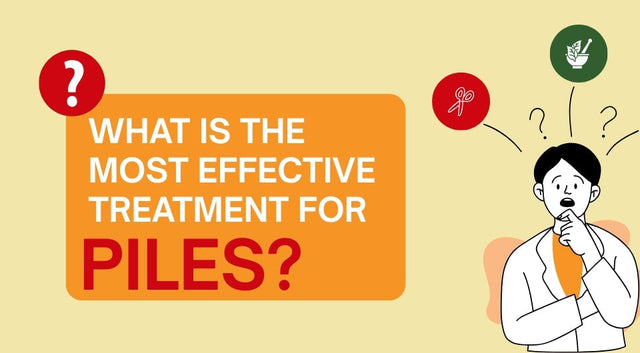
How is the most effective treatment of piles best to be done--one which is likely to give lasting relief, which is one which cures the cause of the trouble, and which is one which is likely to prevent a recurrence?
This detailed guide is going to cover:
-
What piles really are
-
The reason why even after the operation the piles come back.
-
Various treatment alternatives in the market today.
-
Holistic and natural methods, lifestyle methods.
-
The selection of most effective and sustainable treatment of piles.
You or your loved ones would be having a hard time with piles pain, bleeding or post surgery discomfort and this article is meant to provide you with clarity, confidence and direction.
Knowing Piles: What is the problem all about?
Piles are distended inflamed rectal or anal veins. Their development is a consequence of the augmented pressure in the bottom rectal region which is usually the result of chronic constipation, straining during feces passing, prolonged sitting, or digestive issues.
Types of Piles
It is necessary to comprehend what kind of piles it is to select the appropriate treatment.
-
Internal Piles
-
Located inside the rectum
-
Painless but can result in bleeding.
-
In most cases, it is observed as fresh blood in stool.
-
External Piles
-
Develop around the anus
-
Painful, itchy and swollen.
-
May develop thromboses of piles (May develop painful clots).
-
Bleeding Piles
-
Can be internal or external
-
Bright red in the bowel motions.
-
Can cause weakness or anemia in case of no treatment.
Why Do Piles Become chronic or recurrent?
Most individuals concentrate on symptomatic management, whereas rooted causes of piles are common and thus result in chronic piles.
-
Recurrence is most commonly caused by these.
-
Constant constipation or hard faeces.
-
Indigestion and deficiency in fibers.
-
Non-activity and excessive hours of sitting.
-
Ignoring early symptoms
-
Too much use of painkillers or ointment.
-
Lifestyle correction is not done with surgical treatment.
This is why despite the operation, it is said by many patients:
I was operated on, but I still experience pain and discomfort.
Traditional Piles Treatments: Are Good Enough?
-
Ointments and Creams
Pros:
-
Offer short-term analgesia and antipruritus.
-
Easily available
Cons:
-
Do not treat the root cause
-
Long-term use may thin skin
-
Once discontinued, symptoms tend to reoccur.
-
Painkillers and Laxatives
Pros:
-
Alleviate pain and bowel movements.
Cons:
-
Habit-forming
-
Affect natural bowel functioning.
-
Not a long-term solution
-
Piles Surgery
-
Surgery could be in the form of banding, laser surgery or hemorrhoidectomy.
Pros:
-
Can remove piles physically
-
Occasionally required in severe cases.
Cons:
-
After-surgery pain and discomfort.
-
Recurrency is high in case lifestyle is not corrected.
-
Very costly and psychologically straining.
-
No improvement of digestion or bowel habits.
Surgery can be done to eliminate piles, however, this does not assure that ones are free of piles.
So, What Is the Most Effective Treatment for Piles?
Piles can best be treated by a holistic strategy, which involves symptom management, correction of the cause and prophylaxis.
Instead of posing the question what gives fastest relief, the correct question is:
What will make me recover and not get piles back again?
Relief of the Root Cause: The Secret of Lasting Insurance.
-
Improving Digestion
One of the greatest causes of piles is poor digestion. Lack of proper digestion of food results in:
-
Constipation
-
Hard stools
-
Excessive straining
Normalization of digestion in itself helps to reduce the pressure on the rectal veins.
Helpful habits:
-
Eating on time
-
Eliminating heavy, spicy and processed foods.
-
Including fiber-rich foods
-
Regulating Bowel Movements
Regular strain-free bowel movements: This is very essential in the recovery of piles.
Simple tips:
-
Always hold back the desire to defecate.
-
Do not spend too much time sitting in the toilet.
-
Have a regular bowel schedule.
-
Lessening of Inflammation and Swelling.
Persistent pain, burning and bleeding are caused by chronic inflammation. Herbal anti-inflammatory is able to be used to calm the tissues and facilitate an internal healing process.
Natural and Herbal methods of the Treatment of Piles.
Other ancient wellness models such as Ayurveda are based on the internal curing of a patient, and not by forcefully controlling the symptoms.
The reasons why Natural Approaches are effective in piles.
-
Treat gut problems and digestion.
-
Natural inflammatory reduction.
-
Support tissue repair
-
Lower the risk of recurrence
-
Suitable for long-term use
The formulations of herbs usually take time to work yet offer more profound and lasting relief to individuals who were not successful with surgery or other forms of treatment.
Pile Recovery Piles Lifestyle Changes.
Lifestyle support is essential to any form of treatment.
-
Diet Changes That Help
-
increase the amount of fiber (vegetables, fruits, whole grains)
-
Do not eat spicy, oily and junk food.
-
Cut down on tea, coffee and alcohol.
-
Hydration
-
The amount of water to drink to make sure that stools are soft.
-
Make sure you avoid dehydration that aggravates constipation.
-
Physical Activity
-
Vigorous walking promotes digestion.
-
Avoid prolonged sitting
-
Light yoga or stretching helps in bowel movement.
So What about the Individuals who Underwent Piles Surgery and are Still Suffering?
This is more prevalent than people think.
Why Surgery Sometimes Fails
-
Root cause (constipation, digestion) is not treated.
-
Scar tissue sensitivity
-
Low-quality post-surgery dieting and care.
-
Also persistent strains during bowel movements.
Internal healing, correction of the digestion and control of the inflammation is even more significant to such individuals than aggressive treatment.

How to Select the Right Treatment: What to Look For.
In choosing a piles treatment method, make sure that it:
-
Treats pain, edema, and hemorrhage.
-
Enhances bowel movement and digestion.
-
Is safe for long-term use
-
As well as being interested in prevention, not only relief.
Today, several wellness-oriented brands focus on herbal research-based formulations, which are developed with the help of modern R&D, a strong sense of quality control, and environmentally friendly production. Such organizations as Varah, who has many years of experience in the production of herbal wellness, can be associated with this change in attitude towards the health solutions with roots, founded upon a holistic approach and the absence of the quick and easy solutions.
Piles How Long Is the Healing Process?
Healing time depends on:
-
Severity of piles
-
Consistency of treatment
-
Practice of diet and lifestyle.
Mild to moderate piles can start to improve in a few weeks as long as the underlying cause is dealt with. Cases which are chronic or post-surgery will be slower, but can be meaningfully relieved with the appropriate approach.
Conclusion: The Best Treatment Is a Comprehensive One.
No single pill or surgical procedure can be termed as being the best treatment of piles in solitude.
The best treatment of piles is the one that:
-
Reducing the pain, bleeding, and swelling.
-
Regulars the bowel and the digestion.
-
Naturally inhibits inflammation.
-
Prevents recurrence
-
Facilitates confidence and comfort in the long run.
However, when piles are the issue and surgery has failed to provide the relief you need, this might be the moment to start concentrating on long-term holistic, root cause based treatment instead of short term remedies.