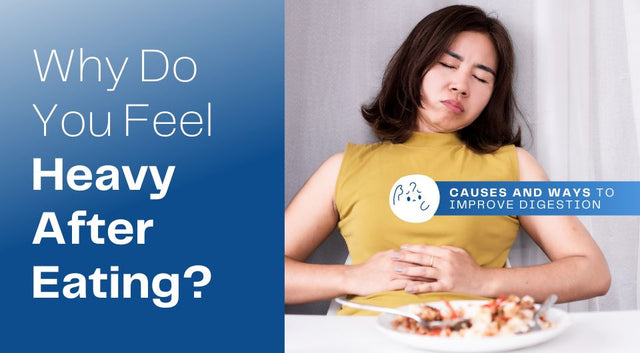
Bloating or feeling full is one type of discomfort that is different, and has a heavy, sluggish, weighted down sensation that remains in the body for much longer than it needs to be there after a meal. When you feel bloated after meals – even if they aren't that big – it's time to pay attention to the process of digestion.
In this article, the common causes of this post meal heaviness is looked at as well as what Ayurveda has known about this heaviness and how a person can genuinely help themselves improve digestion without the need to wait for the feeling to go away.
So What Does ‘Feeling Heavy' Really Mean?
If you feel bloated after meals, it is usually due to slower or less efficient digestion. Heaviness is not caused by sharp bloating due to gas, rather it is a dense, heavy feeling in the stomach, sometimes accompanied with lack of energy, mental fogginess and overall lack of desire to move much. The physical and mental torpor is just in which digestion is always understood in Ayurveda because digestion is not a purely physical process taking place by itself but is intimately associated with the whole person's vitality.
Eating A Lot at Once (ELAO)
The most simple explanation is excessive eating. If you eat more food than you can easily digest at a regular rate, digestion slows significantly and the excess weight makes you feel very heavy, which may last for many hours. The easiest first step is usually to pay attention to portion awareness instead of restrictive dieting to lower this factor.
Foods that are heavy, fatty or fried.
Fat also takes longer to be broken down than carbohydrates or protein, as it needs to be broken down by more complex enzymes and slows stomach emptying. These slower digestion times are exacerbated by the induction of processing oils, especially fried foods, which are also often heated at high temperatures, after which the heavy, slow digestion that is often experienced is added. In Ayurveda, heavy, oily and fried are traditionally termed as guru which means heavy in quality which needs more digestive fire to digest easily.
Weak or Irregular Digestive Fire (Agni)
The concept of digestive fire (agni) in Ayurveda is a useful lens to view chronic post-meal heaviness. If agni is weak, unsteady, or tampered with due to stress, lack of sleep and irregular food habits, even a moderate healthy diet can prove to be overweight. This decreased digestive power is thought to cause ama, which is a digestive residue that has not been properly processed, and is said to result in sluggishness, heaviness and weakness.
This is a way of understanding why certain foods may seem delicious one day and indigestible the next, depending on how much stress a person is under, sleep habits, and the general regularity of their eating schedule.

Poor Food Combinations
In Ayurveda, some food combinations are believed to be less easily digested together, for example, dairy products with some fruits, or foods that are very cold with very hot food. Although not all traditional combination rules have been proven by current nutritional science, the general rule, "not all foods go together in digestion," is a good and practical guideline for anyone who routinely has a heavy, indigestible feeling after eating.
Too Late or Too Close to Sleep
The digestive system slows down in the evening, especially if a big or heavy meal is eaten near bedtime, which can lead to feeling heavy and sluggish after eating and frequently in the morning as well. In Ayurveda, it is always suggested to have the biggest meal of the day in the morning when the fire of digestion is thought to be the strongest, and the lighter meal during the evening.
Dysfunction of the nucleus of the solitary tract.
Not moving anywhere after eating or lying down right after your meal provides no natural muscle activity to help with digestion, and can cause the 'heavy' feeling to last longer than it should. This is one of the easiest, most instant corrective contributing factors.
Here are some helpful tips to alleviate post-meal bloating.
There is a way to significantly decrease how often you feel this way, with dietary and lifestyle changes.
Learn how to use the portion control technique: eating till 'full' instead of 'full' cuts down the digestive load resulting in heaviness.
Eat warm, light and fresh cooked food: Light, freshly cooked food is preferred over heavy and cold food or extremely processed food, especially for people with poor digestion.
Exercise gently after eating: Walking gently stimulates motility in the digestive system, and helps to noticeably alleviate the post-meal sluggishness that occurs when sitting still.
Consume the heaviest meal earlier in the day: When digestive fire is more robust, it is easier to digest larger or heavier meals.
Consistently use digestive spices: Ginger, cumin, and ajwain, added to general cooking or made into plain infusions, have traditionally helped balance digestive fire and alleviate heaviness.
Control stress at meal time: This means eat slowly and do not do other tasks at the same time, which in fact helps the digestive system to function better.

Herbal formula to support Digestive Fire.
If you are a person who suffers from the heaviness in the body after eating, a steady and well balanced herbal strategy may be more systematic than any occasional remedies. Traditional Ayurvedic digestive preparations that are formulated to stimulate and strengthen agni (fire), have played a long-standing role here. The digestive strength of health products can be better supported over time with a quality-tested product such as those found in Varah Healthcare's digestive wellness range, which offers a more traditionally based and regular approach.
If Persistent Heaviness Requires Medical Attention:
Most of the time, eating too much or too rich a meal is the cause of the heaviness and a dietary adjustment can be made, however, if there are other uncomfortable symptoms such as pain, unexplained weight loss or weight gain, or other symptoms, a diet change alone is not sufficient to treat this symptom. The patterns should be medically evaluated to exclude any underlying gastrointestinal disease.
Conclusion
Post-eating heaviness is typically a sign of overindulgence, indigestion of the heavier foods or problems with the digestive fire, or both. Regular, easy-to-follow changes, portion control, lighter evening meals, exercising after eating and herbal digestive spices can make a significant difference over time. The herbal digestive formula from a trusted and transparent source like Varah complements these lifestyle measures with traditional Ayurvedic support, and if your heaviness persists or is severe, always consult a doctor.
Frequently Asked Questions
Q: Is feeling heavy after eating the same as bloating?
A: They're related but distinct. Bloating usually has a gas component and there is a feeling of being stretched out, whereas heaviness is a feeling of bulkiness or sluggishness and is often associated with slow digestion of fat laden or large meals.
Q: Why do I feel heavier after dinner than after lunch, even eating similar amounts?
A: The digestive fire naturally weakens during the evening, so that the same food may appear heavier and more difficult to digest during this time than it was during the day when the digestive fire is supposed to be at its strongest.
Q: Can drinking warm water help reduce post-meal heaviness?
A: Yes, warm water is traditionally used to aid digestion and relieve heaviness after meals, whereas cold water may have a calming effect that can impact digestion.
Q: What is the fastest you can see a reduction in heaviness after eating if you make these changes?
A: However, it can take anywhere from 1 to 2 weeks for people to notice improvements in their digestive system after making regular changes, such as using portion control and walking after meals, while it may take longer for increased digestive resilience, about 4 to 8 weeks.